What Is Port?
Quick Answer: In computing and networking, a port is either a physical connector on a device (like USB or HDMI) or a virtual numbered endpoint (0 to 65535) used by network protocols (such as TCP and UDP) to route traffic to a specific application or service on a machine.
Have you ever wondered how a cable plugs into your phone to charge or transfer data, how multiple web services run on a single server without colliding, or how shipping ports route cargo to the right dock? You are in the right place if questions like that spark your curiosity. Today we unpack what a port actually means—starting with the big picture and diving into how it works in practice.
Whether you are configuring firewall rules on a Linux VPS, hosting apps on a Cloud VPS, or connecting hardware devices, understanding ports makes troubleshooting and security much clearer. Let’s dive in.

The Basics of Ports
Definition of a Port
At its core, a port is a connection point or boundary where two systems, devices, or processes exchange data, energy, or cargo. Depending on the context, that connection can be physical, logical (software/network), or geographical.
Types of Ports
Physical Ports: Hardware connectors on devices—such as USB, HDMI, or Ethernet jacks—that let you attach cables, displays, and peripherals.
Logical / Network Ports: Virtual numbered channels (
0–65535) used by operating systems and network protocols (such as TCP and UDP) so incoming data reaches the right application or service.
Understanding Ports Across Contexts
Ports in Computing
Physical ports on computers and mobile devices let you connect peripherals, external storage, displays, and charging cables for smooth data transfer and power delivery.
Ports in Networking
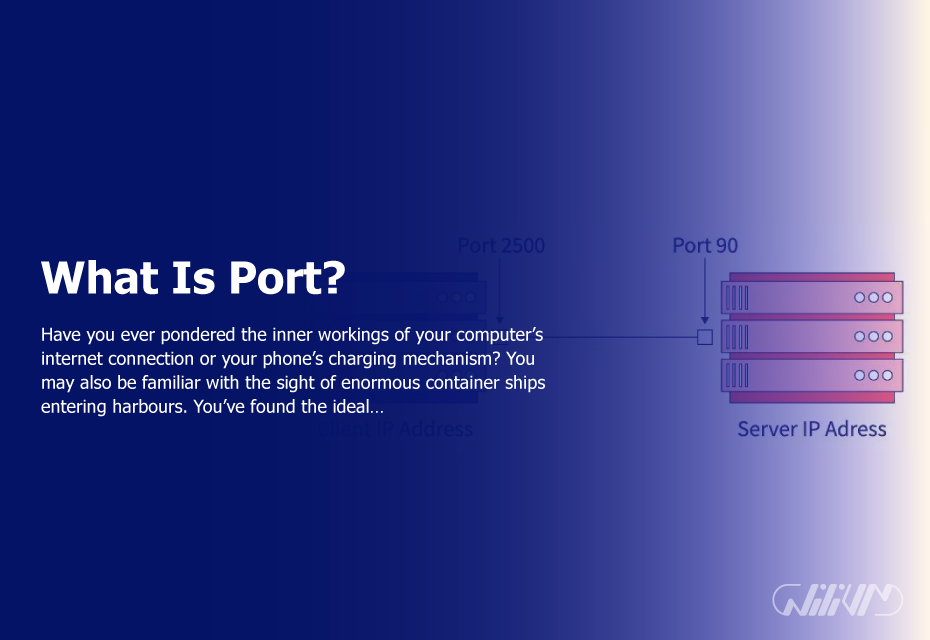
In networking, a host’s IP address gets traffic to the right machine, while the port number directs that traffic to the specific service or application listening on that machine—similar to how a street address gets mail to a building and a suite or apartment number gets it to the right office.
Ports in Shipping
In logistics and maritime trade, seaports and harbors serve as hubs where vessels dock to load or unload goods, linking regional transport networks with global trade routes.
Ports in Telecommunication
In telecom and networking infrastructure, ports manage voice, messaging, and data sessions across switching, routing, and carrier endpoints.
Why Ports Matter
Whether physical, logical, or maritime, ports act as structured handoff points that keep systems connected:
Technological Significance: Logical and physical ports make device connectivity, client-server communication, and modern internet services possible.
Economic Significance: Shipping and network infrastructure alike support commerce—from global cargo movement to online business and cloud operations.
Commonly Used Ports
Hardware / Computer Ports: USB (data transfer, peripherals, and power/charging) and HDMI (audio and video output to displays).
Network Ports: HTTP (typically port
80, or443for HTTPS) for web traffic, and FTP (commonly ports20and21) for file transfers.
Port Security
Keeping ports properly secured is essential: on servers and networks, closing unused ports, restricting access with firewalls, and hardening exposed services help prevent unauthorized access and abuse—just as physical port controls protect facilities and cargo in shipping.
Conclusion
From physical connectors and network sockets to telecommunications and shipping harbors, the idea of a port centers on controlled, reliable connection points. Understanding how ports work—and keeping only the ones you need open and secured—is a foundational habit for anyone working with devices or servers.
Ready to Run Your Services with Full Port and Firewall Control?
Host web apps, APIs, and custom network services on reliable infrastructure with full administrative access.
Get started with our Linux VPS plans.
Scale smoothly as your workloads grow with Cloud VPS.
Need dedicated hardware for heavy or high-traffic workloads? Explore our Dedicated Server options.
Explore Linux VPS | Explore Cloud VPS | Explore Dedicated Server
FAQs
What is the role of ports in networking?
In networking, ports act as endpoints in the OS for network communications, enabling data packets to be directed to specific processes or services.
Why are ports important in shipping?
Ports in shipping are crucial for global trade as they enable the loading, unloading, and transshipment of goods from ships.
What does port security entail?
Port security involves safeguarding ports from unauthorized access, data breaches, and ensuring the safety of goods and people in the context of shipping.
Are ports only related to computers and shipping?
No, ports find applications in various fields, including computing, networking, shipping, and telecommunications, among others.



Enid Kindred
31 August 2023Nice post. I learn something more challenging on different blogs everyday. It will always be stimulating to read content from other writers and practice a little something from their store. I’d prefer to use some with the content on my blog whether you don’t mind. Natually I’ll give you a link on your web blog. Thanks for sharing.